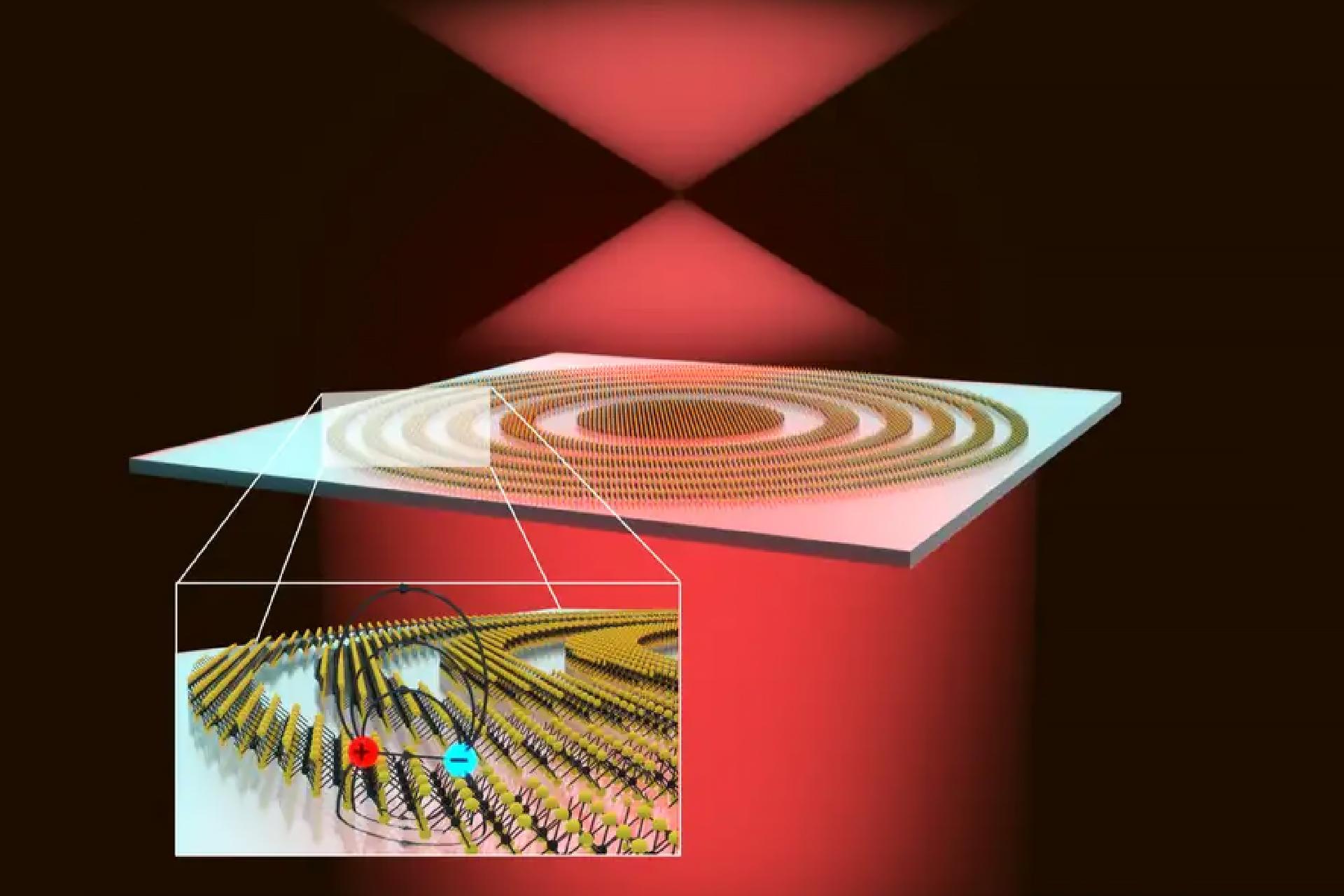
World’s Thinnest Lens is Just Three Atoms Thick
The lens can be used in applications where the view through the lens should not be disturbed, but a small part of the light can be tapped to collect information.


The lens can be used in applications where the view through the lens should not be disturbed, but a small part of the light can be tapped to collect information.
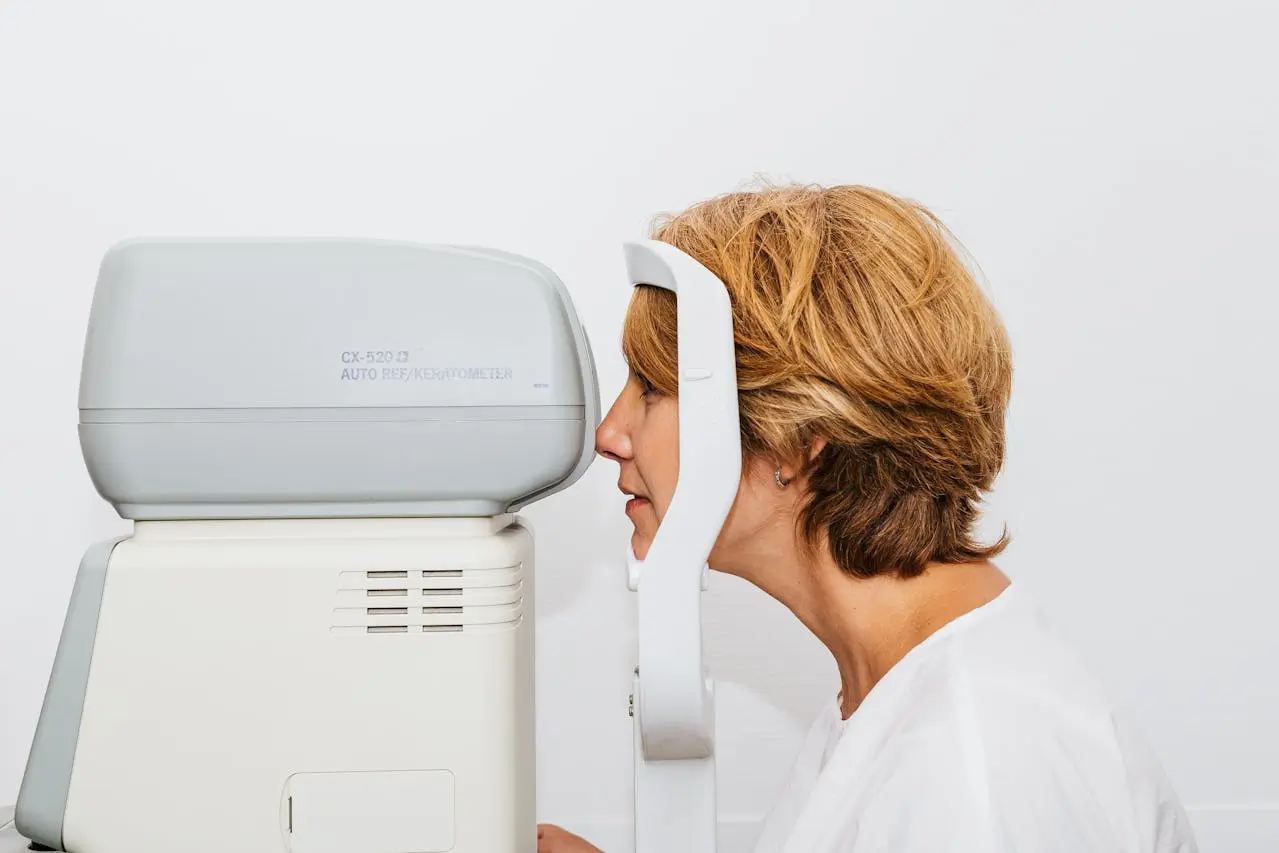
An intentional focus on diabetes enhances patient outcomes and has a substantial impact on the overall success and sustainability of optometry practices.
The World Sight Day campaign is an opportunity for individuals and organisations worldwide to unite in support of eye health for all.
A landmark resolution marks a significant step forward in recognizing the profound threat that climate change poses to global public health, including its impacts on eye care.

The breakthrough research describes how machine learning technology has been successfully trained on thousands of historic de-personalised eye scans to identify features of eye disease and recommend how patients should be referred for care.

Here are some common questions and answers about UV light and how to protect your eyes from the sun.
By Dr. Gilbert NacouziDr. Nacouzi is the Director of the Myopia Management HUB at Optic Nacouzi. He is an Optometrist by trade and a Doctor in Entrepreneurship. He studied BSc…
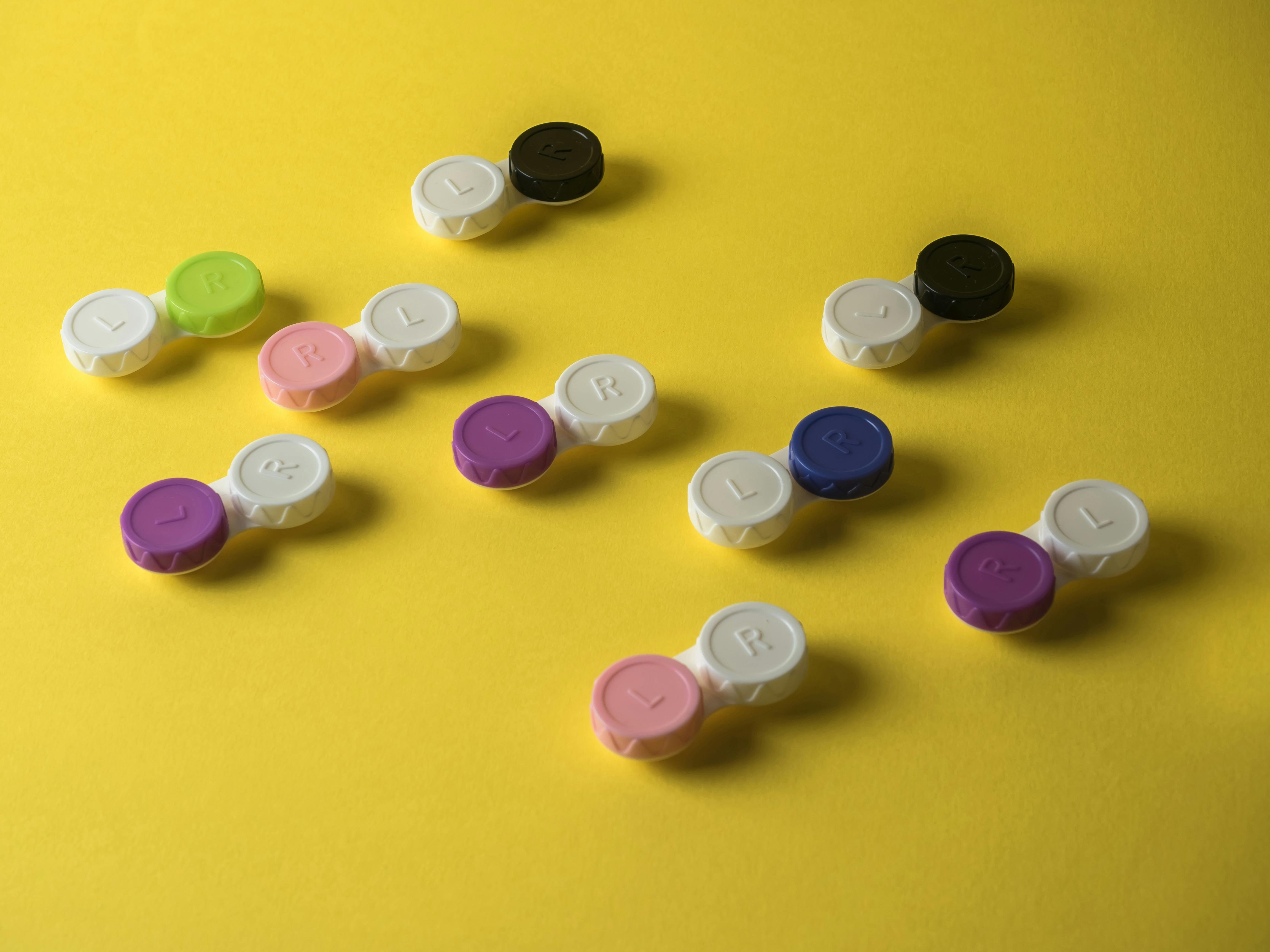
A cross-disciplinary University of Waterloo team has developed a new contact lens material that could act as a bandage for corneal wounds while releasing drugs in a controlled manner to…
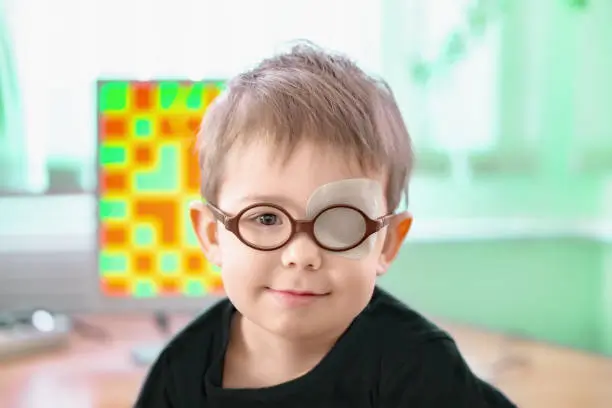
Adults who had amblyopia ('lazy eye') in childhood are more likely to experience hypertension, obesity, and metabolic syndrome in adulthood, as well as an increased risk of heart attack, finds…
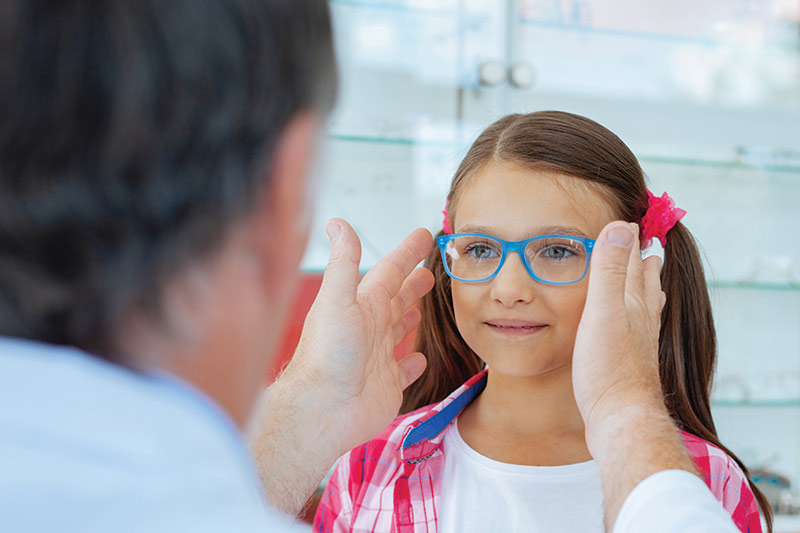
By Sarah McGoldrickMyopia has reached epidemic proportions. Once seen as an eye condition mainly experienced by children, it now affects approximately 25 percent of a quarter of young adults. A…