Six Out of 10 People with Diabetes Skip a Sight-Saving Exam

If you have diabetes, you may be vigilant about monitoring what you eat, getting enough exercise, and seeing your primary care doctor. But are you as committed to maintaining your eye health as well? People who have diabetes — about one out of every 10 people in the U.S. — are at increased risk of developing serious eye disease. Yet, according to a large study, most of them are not getting the annual, sight-saving eye exams they need to preserve their vision.


Continue ReadingSix Out of 10 People with Diabetes Skip a Sight-Saving Exam

Clever ‘seeing eye’ gadget speaks the surrounds for the vision-impaired

Addressing presbyopia – the most common global cause of visual impairment – can boost income and productivity while providing a gateway to wider eye health care.

Continue ReadingClever ‘seeing eye’ gadget speaks the surrounds for the vision-impaired

A Brain Fingerprint: Study Uncovers Unique Brain Plasticity in People Born Blind

Neuroscientists reveal that the part of the brain that receives and processes visual information in sighted people develops a unique connectivity pattern in people born blind. They say this pattern in the primary visual cortex is unique to each person -- akin to a fingerprint.

Continue ReadingA Brain Fingerprint: Study Uncovers Unique Brain Plasticity in People Born Blind

Biomarkers Reveal How Patients with Glaucoma May Respond to Treatment

Markers in the blood that predict whether glaucoma patients are at higher risk of continued loss of vision following conventional treatment have been identified by researchers.

Continue ReadingBiomarkers Reveal How Patients with Glaucoma May Respond to Treatment
Read more about the article Cycloplegic Refraction in Children
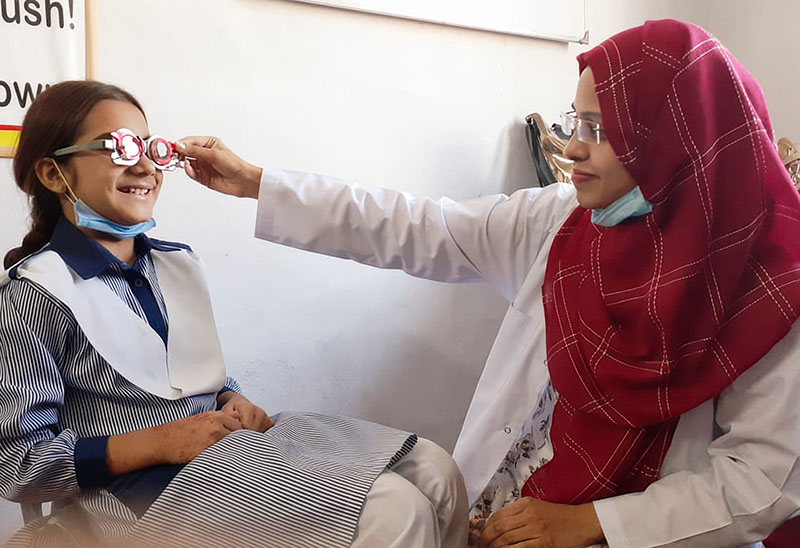
Children are eager to please and they may try too hard to give the ‘correct’ answers during refraction; this can result in an inaccurate spectacle prescription. PAKISTAN © Shaffaq Bajwa CC BY-NC-SA 4.0

Cycloplegic Refraction in Children

Cycloplegic refraction makes it possible to accurately measure a child’s refractive error and provide appropriate correction.

Continue ReadingCycloplegic Refraction in Children
Read more about the article Supplements Slow Disease Progression During Late Stage of ‘Dry’ AMD
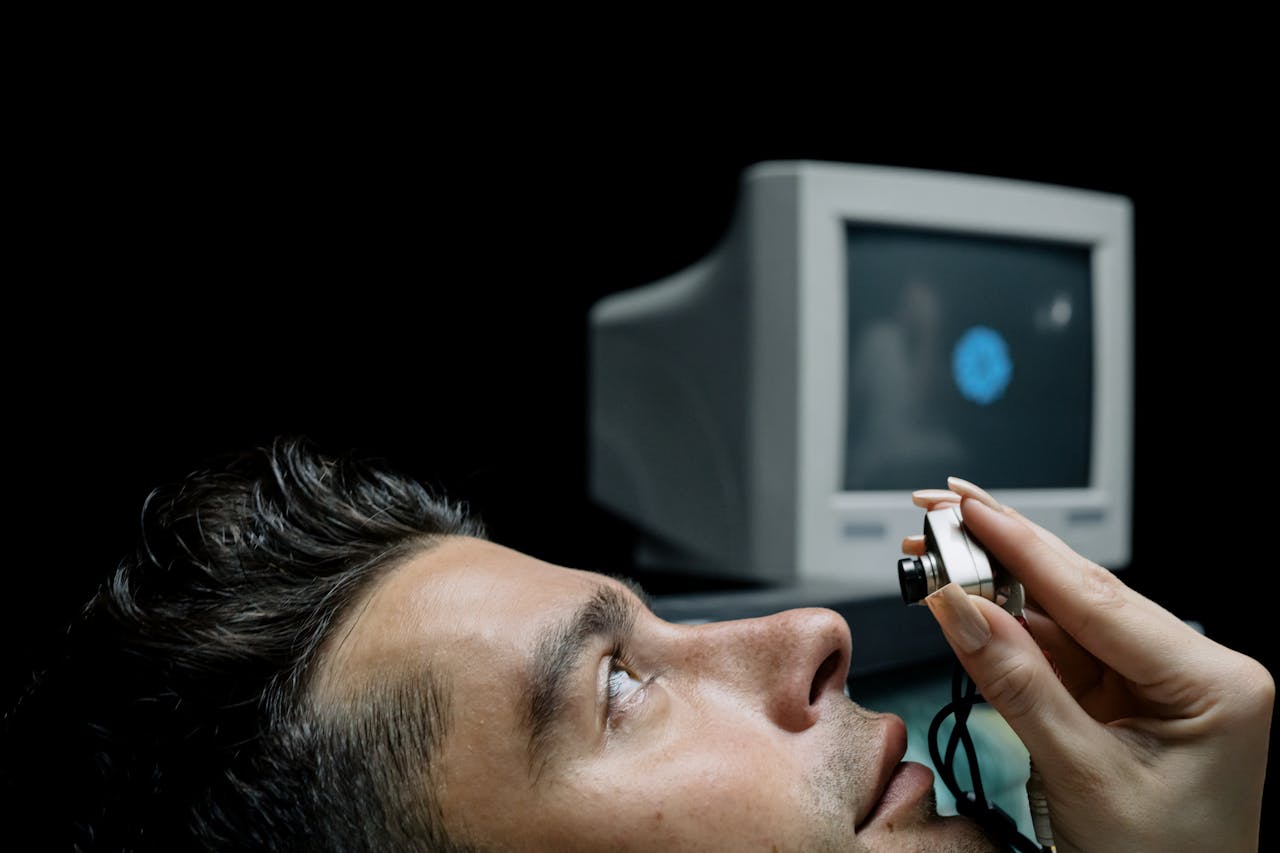
Image: shvetsa | pexels

Supplements Slow Disease Progression During Late Stage of ‘Dry’ AMD

Researchers have found that taking a daily supplement containing antioxidant vitamins and minerals slows progression of late-stage dry age-related macular degeneration (AMD).

Continue ReadingSupplements Slow Disease Progression During Late Stage of ‘Dry’ AMD